
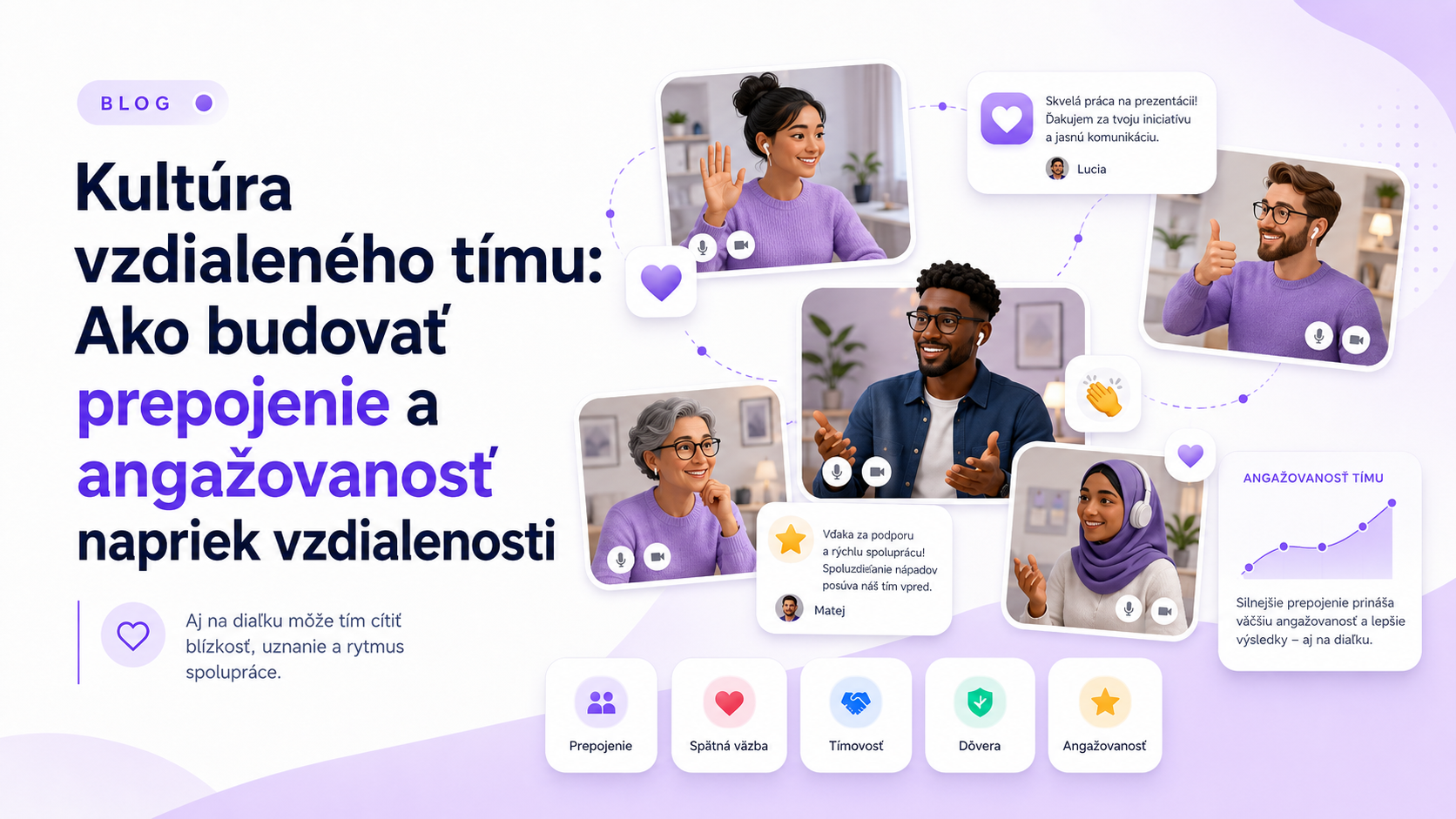
Remote Team Culture: How to Build Connection and Engagement Across Distance
June 30, 2026
Remote and hybrid work has become the default for millions of employees across the globe. The flexibility it offers is valued — but without intentional effort, remote teams often develop disconnection, loneliness, and a fragmented sense of belonging. Building a strong remote team culture requires more than scheduling more video calls. It demands deliberate systems, rituals, and tools that make every team member feel seen, connected, and valued — regardless of where they sit.
Why Remote Culture Is More Than Just Working From Home
Culture is built from shared beliefs, behaviors, and norms. In a traditional office, culture transmits through osmosis — you observe how leaders behave, absorb team rituals, and learn what is valued by watching others. Remote work strips most of this away. Research consistently shows that remote workers are more likely to feel:
- Isolated from their team and the broader company
- Overlooked for recognition and promotions
- Uncertain about what is expected of them culturally
Without active intervention, remote teams default to transactional relationships: meetings are for tasks, Slack messages are for updates, and genuine human connection becomes an afterthought.
The Pillars of a Strong Remote Culture
Intentional Communication. In remote teams, communication does not happen unless someone makes it happen. Establish clear norms around when async messaging is enough, when a call is genuinely needed, and how to write with warmth and explicit intent. Transparency matters too — share company updates broadly rather than letting information silently decay in executive channels.
Visible Recognition. In an office, a manager can walk over and congratulate a colleague in front of peers. Remote work makes this invisible by default. Platforms like Kudosky make recognition deliberately public — teammates can send kudos, share shoutouts, and see appreciation flow across the organization in real time. Peer-to-peer recognition is especially powerful here: it signals that the whole team sees your contribution, not just those above you.
Rituals That Create Belonging. Strong cultures run on rituals. Remote teams need their own equivalents: a weekly team channel where wins are celebrated, a non-work Slack space where people share weekend stories, virtual coffee chats or informal 1:1 pairings each month, and — where possible — quarterly in-person meetups. The difference between teams that feel like communities and those that feel like contractor pools often comes down to whether these rituals exist and are actually used.
Psychological Safety Across Distance. It is harder to speak up in a video call than in a room. Leaders must proactively create space for dissent and vulnerability: rotate who goes first in meetings to reduce the anchor effect of senior voices, use anonymous input tools for sensitive feedback, and explicitly name when a topic is open for challenge rather than already decided.
Clarity on Norms and Expectations. Remote workers often suffer from ambiguity about what good looks like. High-performing remote cultures invest in writing things down — working agreements, meeting etiquette guides, and explicit career growth frameworks — so no one has to guess.
Common Mistakes to Avoid
- Over-relying on video calls. "Let us jump on a call" is not a culture strategy. Too many meetings signal poor async communication, not strong connection.
- Treating remote as temporary. Companies waiting to get back to normal never build the systems to sustain remote culture properly.
- Ignoring loneliness. Loneliness is one of the most underreported risks of remote work. Regular 1:1s, genuine check-ins, and pulse surveys help surface it before it becomes a retention problem.
- Letting recognition fall only to managers. If only managers recognize people, you have built a top-down culture that remote settings make even more isolating. Build systems for peer recognition.
Measurement Is Culture
You cannot improve what you do not measure. Remote teams that check in regularly using micro-feedback tools understand their culture in near-real-time — rather than waiting for an annual survey to reveal that half the team felt disconnected months ago. Kudosky's AI-powered analytics help HR teams and managers spot engagement drops early, identify which teams are thriving and which are drifting, and take action before small disconnection becomes full disengagement.
Build Remote Culture On Purpose
Remote work culture does not build itself. The teams that thrive across distance treat culture as an ongoing design challenge — investing in the right rituals, tools, and recognition systems to make every team member feel seen, connected, and valued. Start building a culture your remote team can feel, no matter where they are.
Ready to get started? Sign up free at kudosky.app/auth/signup or book a personalized demo at calendly.com/hello-kudosky/kudosky.